
Top 20 Dive Sites worldwide
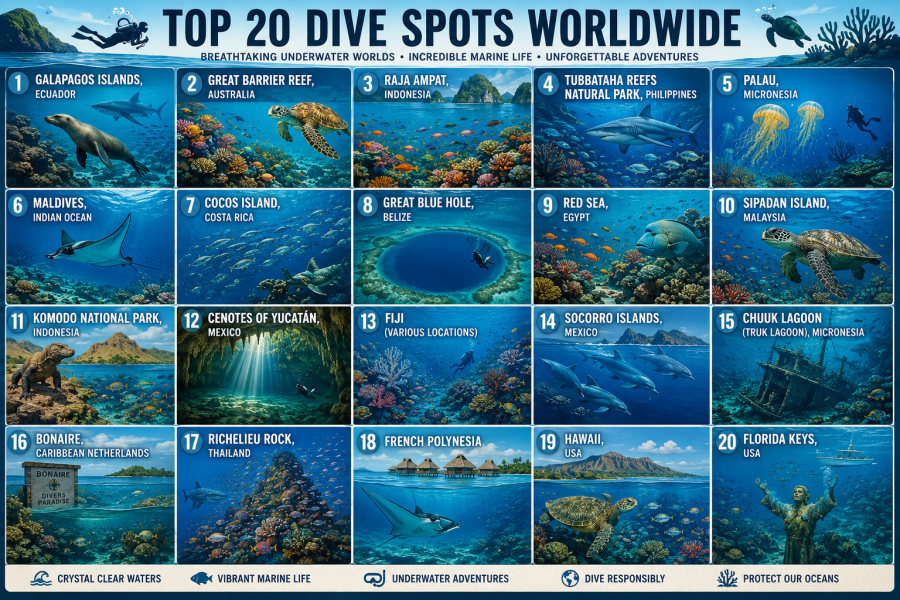
Image source, own work, graphic based on ChatCPT
Here are 20 of the best dive sites worldwide, known for their incredible marine biodiversity, unique underwater landscapes and unforgettable experiences, is of course a subjective list:
- Galapagos Islands, Ecuador: A bucket-list destination for large marine life, including hammerhead sharks, whale sharks, marine iguanas, and various other endemic species.
- Great Barrier Reef, Australia: The world's largest coral reef system, offering diverse diving experiences, from vibrant coral gardens to encounters with turtles, reef sharks, and many fish species.
- Raja Ampat, Indonesia: Known as the epicenter of marine biodiversity, offering vibrant coral reefs, abundant fish species, and frequent sightings of manta rays and various sharks.
- Tubbataha Reefs Natural Park, Philippines: A protected UNESCO site in the Coral Triangle, offering pristine reefs, huge coral walls, and a wide array of marine life.
- Palau, Micronesia: Home to iconic dive sites like Blue Corner and Peleliu Express, known for strong currents, abundant sharks, and diverse coral formations.
- Maldives, Indian Ocean: Famous for its crystal-clear waters, luxurious liveaboards, and incredible opportunities to dive with manta rays and whale sharks.
- Cocos Island, Costa Rica: A remote, protected marine park famed for its massive schools of hammerhead sharks, as well as whale sharks, manta rays, and other pelagics.
- Great Blue Hole, Belize: A massive marine sinkhole with dramatic stalactites and the chance to see various shark species. It's a unique geological wonder.
- Red Sea, Egypt: Offers year-round warm waters, excellent visibility, stunning coral reefs, and some of the best wreck diving in the world, including the famous SS Thistlegorm.
- Sipadan Island, Malaysia: A tiny oceanic island renowned for its incredible marine life, including large schools of barracudas, jacks, and resident green and hawksbill turtles.
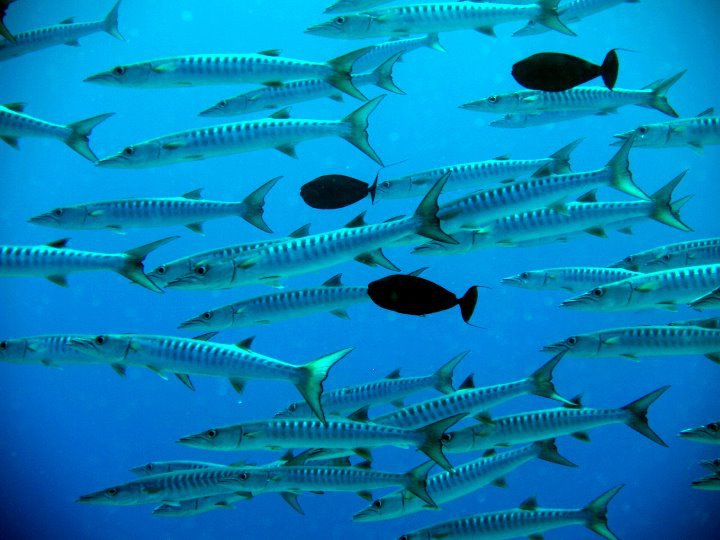
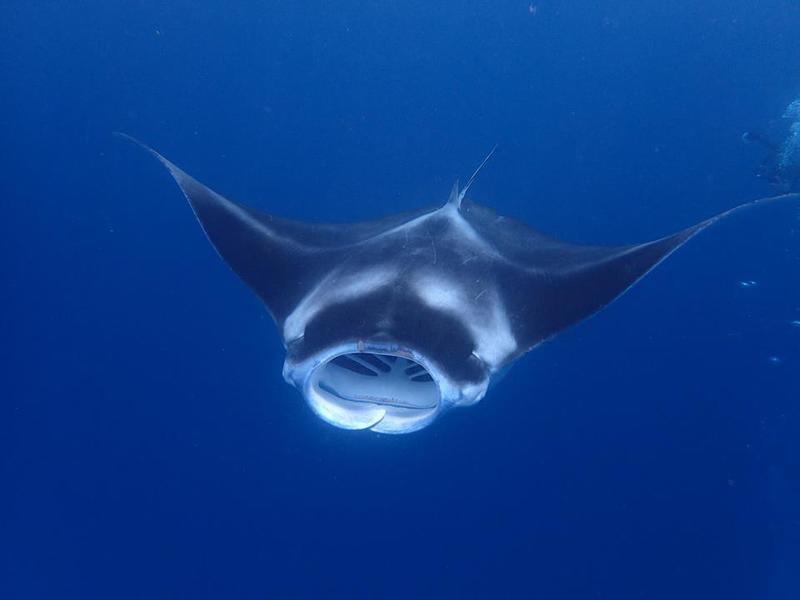
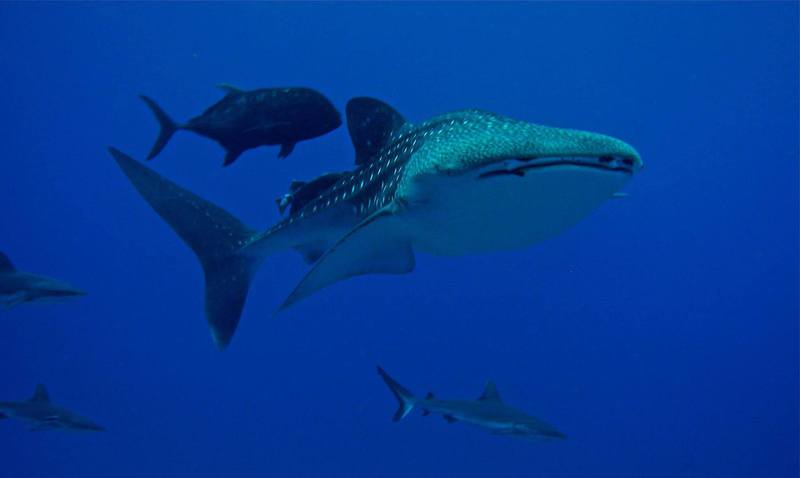
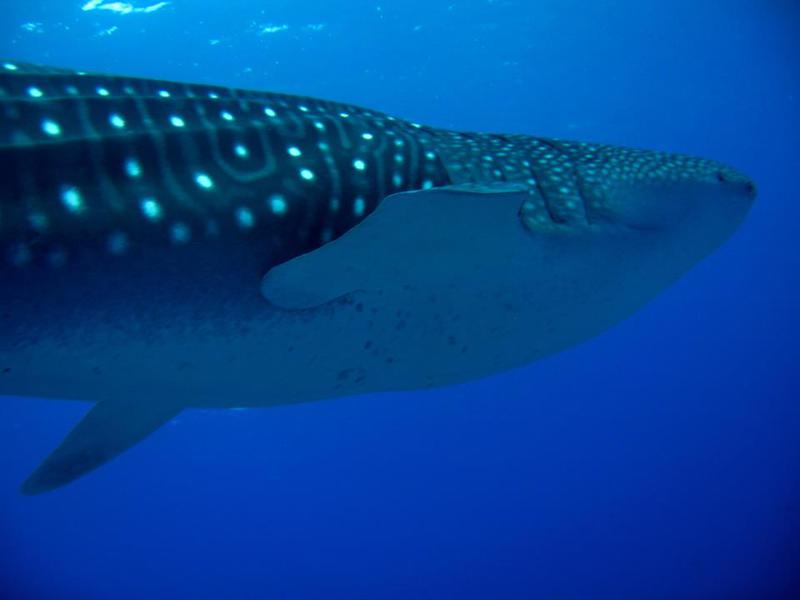
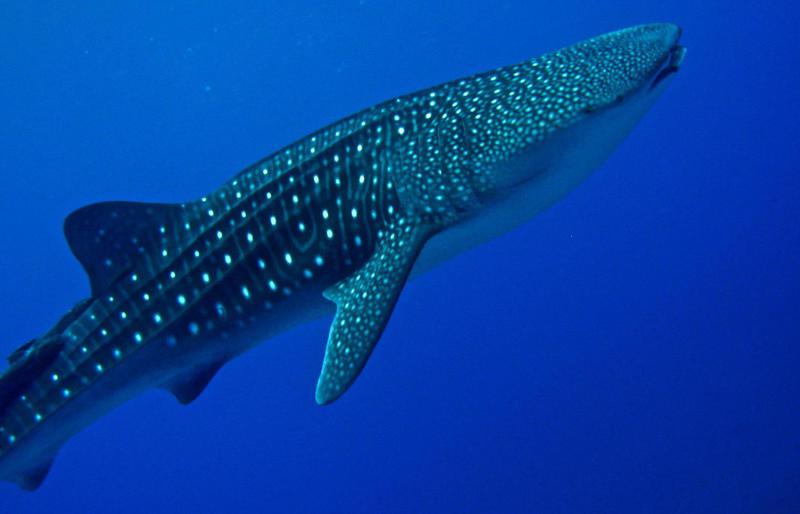
Source Pics: E. Garcia / PG / PH
- Komodo National Park, Indonesia: A UNESCO World Heritage Site with vibrant reefs, strong currents that attract pelagics like manta rays, and unique macro life.
- Cenotes of Yucatán, Mexico: Unique freshwater sinkholes with crystal-clear visibility, stunning light effects, and intricate cave systems, offering a different kind of dive.
- Fiji (various locations): Known as the "Soft Coral Capital of the World," offering colorful soft coral gardens, healthy reefs, and opportunities for shark dives.
- Socorro Islands, Mexico: Often called "Mexico's Galapagos," these remote islands are a magnet for large pelagics, including giant manta rays, dolphins, and various shark species.
- Chuuk Lagoon (Truk Lagoon), Micronesia: The world's best wreck diving destination, with numerous World War II shipwrecks largely intact and now covered in coral and marine life.
- Bonaire, Caribbean Netherlands: A shore diving paradise with easily accessible, well-marked dive sites, abundant reef fish, and healthy coral.
- Richelieu Rock, Thailand: An isolated pinnacle renowned for its whale shark sightings, incredible macro life, and vibrant soft corals.
- French Polynesia (e.g., Rangiroa, Fakarava): Famous for strong drift dives through passes, bringing in large schools of sharks (especially grey reef sharks), dolphins, and other pelagics.
- Hawaii, USA (e.g., Kona's Manta Night Dive): While some reefs face challenges, the Manta Ray Night Dive in Kona is a truly unique experience, allowing divers to get up close with these gentle giants.
- Florida Keys, USA: Offers a diverse range of diving, including vibrant coral reefs, historical shipwrecks, and artificial reefs, with an abundance of fish and marine creatures.
References: https://en.wikipedia.org/wiki/Recreational_dive_sites, https://blog.padi.com/the-10-best-dive-sites-in-the-world/
 Druckversion
Sitemap
Druckversion
Sitemap
Urheberrechtshinweis 2022-2026 (©), Helmut Rufer, alle Bilder dieser Seite unterliegen urheberrechtlichem Schutz - Copyright notice 2022-2026 (©), Helmut Rufer, all images on this site are protected by copyright. Hintergrund Bild/Background Pic: Paolo Forlani, Public domain, via Wikimedia Commons