Munich / Bavaria

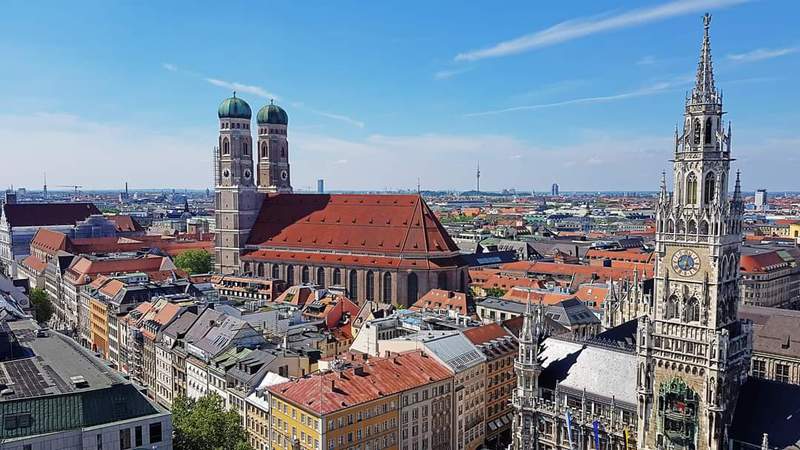
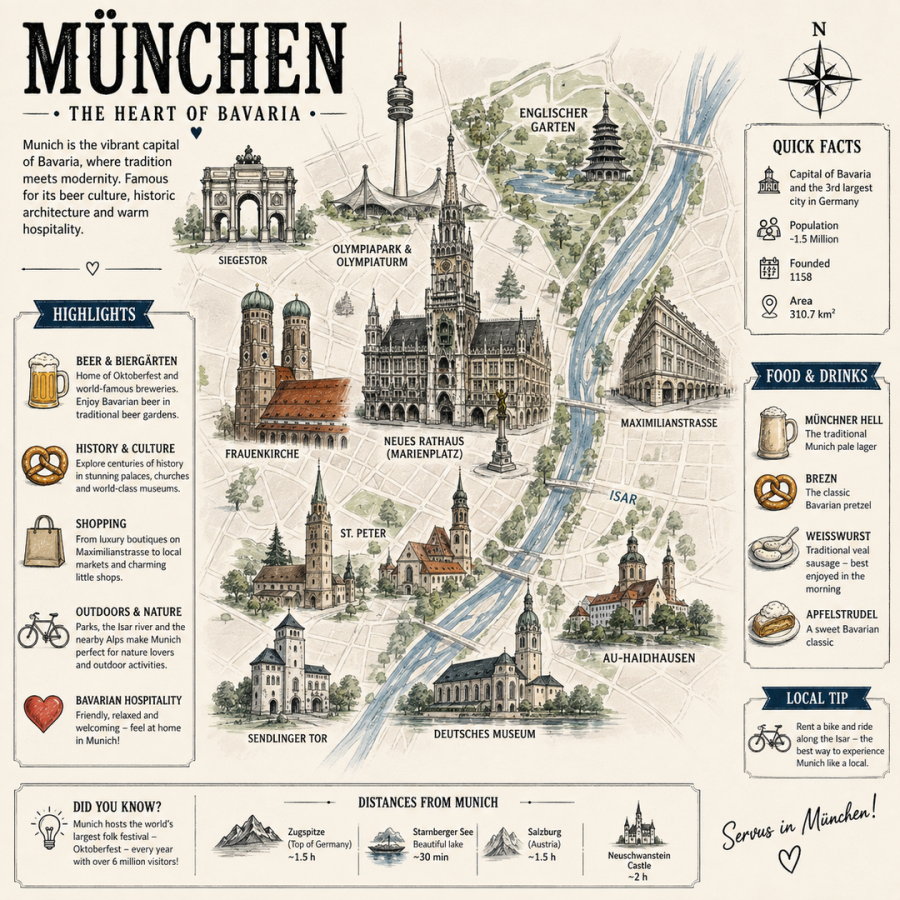
Munich is our home in Germany. As the state capital of Bavaria and home to around 1.6 million inhabitants, it is Germany's third-largest city, covering an area of ​​310.7 km². Situated at an elevation of 519 meters above sea level along the Isar River, the city is world-renowned for its Bavarian way of life, historic old town, and major landmarks—such as Marienplatz with the New Town Hall, the Frauenkirche, Nymphenburg Palace, and the English Garden. First mentioned in documents in 1158, Munich evolved from a medieval trading town into an international hub for business, science, culture, and technology. 
 

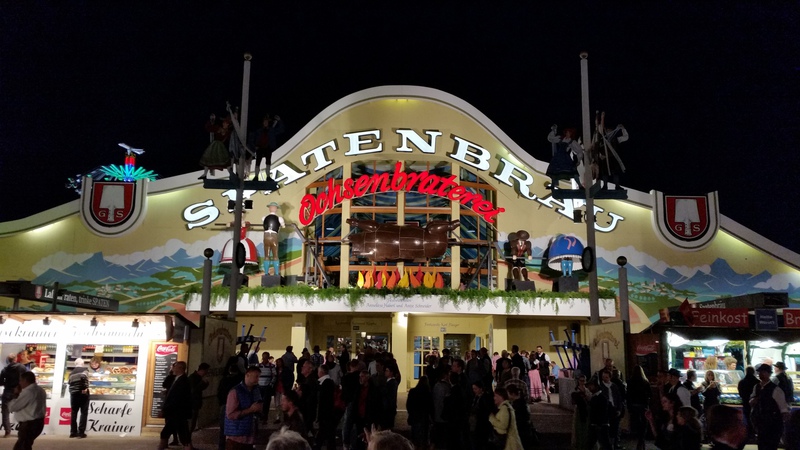
The city is also famous for Oktoberfest, which attracts millions of visitors from around the globe each year. Munich blends tradition with modernity and is located just a few kilometers from the Alps.

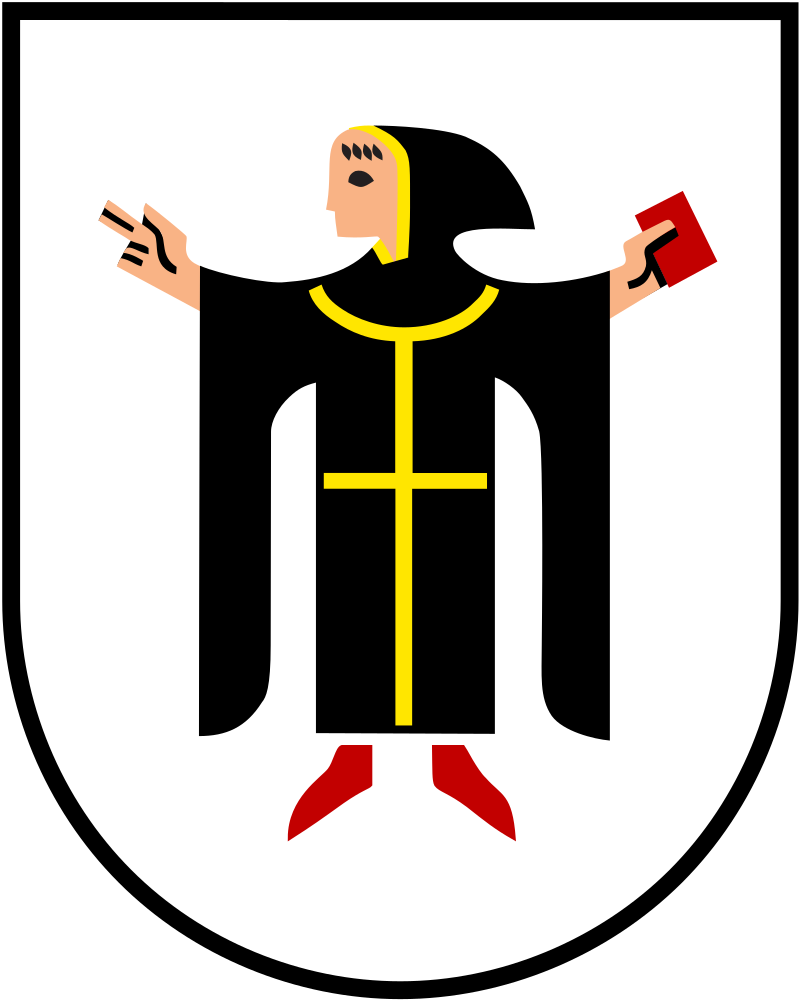
Source Pic: Quelle Bild: By Eduard Ege - Münchner Stadtmuseum; Webarchiv-Link, Public Domain, https://commons.wikimedia.org/w/index.php?curid=576187

Graphic based on ChatGPT

"Oktoberfest"

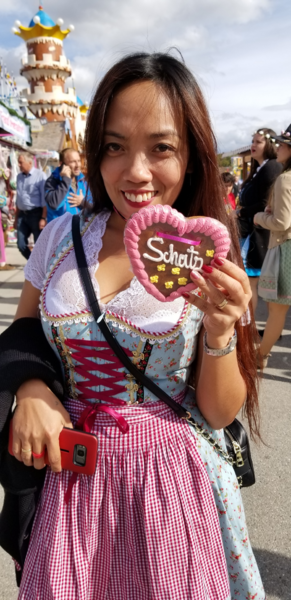
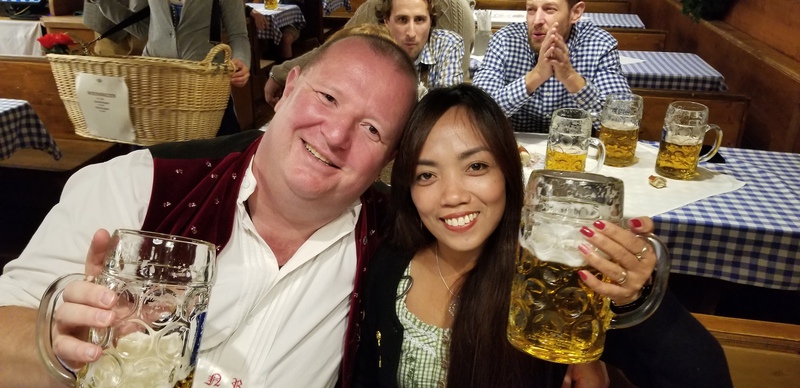
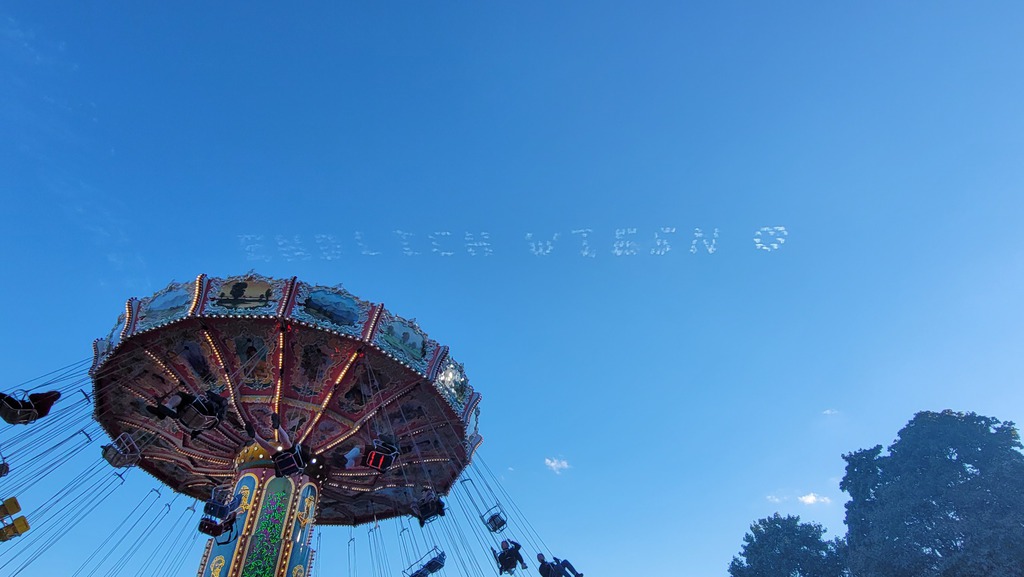
Munich’s Oktoberfest—affectionately known as the "Wiesn"—is the world’s largest folk festival and takes place annually on the Theresienwiese in Munich. Its history began in 1810 with the wedding of Crown Prince Ludwig of Bavaria and Princess Therese. Since then, the festival has evolved into an international attraction, drawing millions of visitors from around the globe to Munich each year. Traditional festival tents, Bavarian music, traditional attire such as *Dirndls* and *Lederhosen*, fairground rides, and a host of culinary specialties define its unique atmosphere. The large beer tents are particularly famous; only beer from Munich’s traditional breweries is served there. For Oktoberfest, several Munich breweries produce a special beer that must have an original gravity of at least 13.5° Plato and an alcohol content of approximately 5.8 to 6.4 percent by volume. Highlights include the traditional grand entry of the festival hosts, the parade of traditional costumes and marksmen, and the official tapping of the first keg by the Mayor of Munich, accompanied by the famous cry "O’zapft is!" (It’s tapped!). Oktoberfest blends Bavarian tradition, conviviality, and modern festival culture, standing today as a globally recognized symbol of Munich and Bavaria.
Source Pic: Oktoberfest Logo / Corporate Design, Quelle: Red / Stadt München
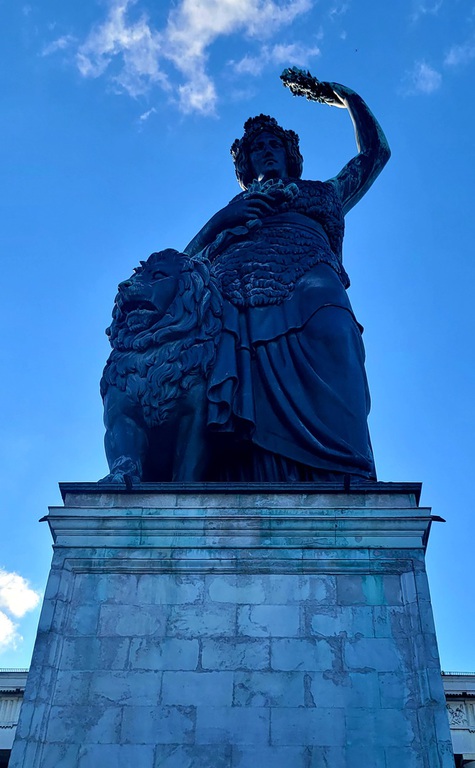
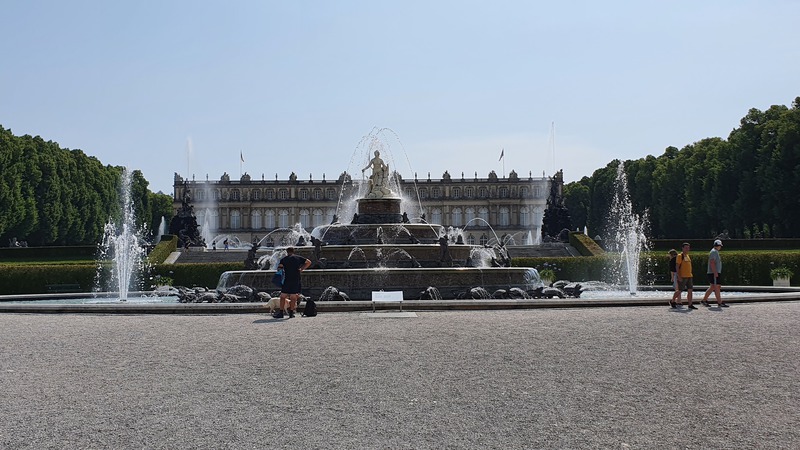
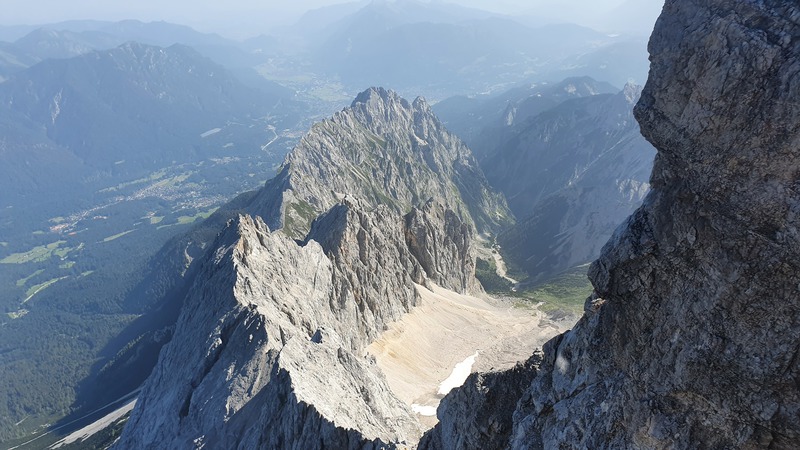
Covering an area of approximately 70,500 km², the Free State of Bavaria is Germany's largest federal state and is in the country's southeast. With a population of over 13 million, it is also one of the most populous federal states. Its capital and largest city is the metropolis of Munich. It is followed by Nuremberg, with a population of around 500,000, and Augsburg, with around 300,000. Its constitutional framework is based on the Constitution of the Free State of Bavaria. Bavaria has held the title of "Free State" since 1918, following the end of the Kingdom of Bavaria. The state is renowned for its impressive landscapes featuring the Alps, lakes, forests, and rivers as well as for world-famous landmarks such as Neuschwanstein Castle. Its culture is shaped by traditions such as traditional costumes, folk festivals, and Bavarian cuisine. At the same time, Bavaria ranks among Europe's strongest economic regions and serves as a major hub for the automotive industry, technology, mechanical engineering, media, and tourism.

Source Pic: https://commons.wikimedia.org/wiki/File:Locator_map_Bavaria_in_Germany.svg

Top

Druckversion | Sitemap
Urheberrechtshinweis 2022-2026 (©), Helmut Rufer, alle Bilder dieser Seite unterliegen urheberrechtlichem Schutz - Copyright notice 2022-2026 (©), Helmut Rufer, all images on this site are protected by copyright. Hintergrund Bild/Background Pic: Paolo Forlani, Public domain, via Wikimedia Commons